Source EPA Electronic Fuel Injection ATV and UTV for Farming, Hunting, and Recreation
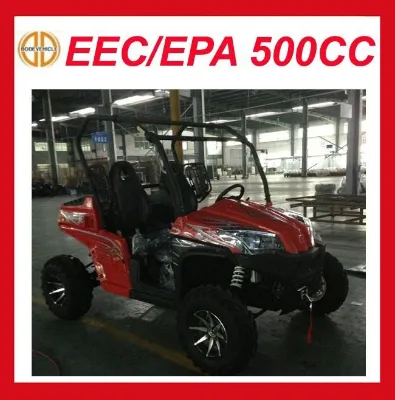
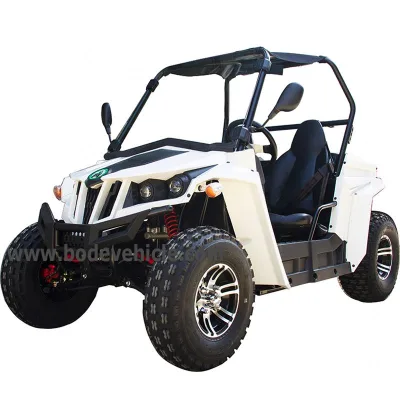
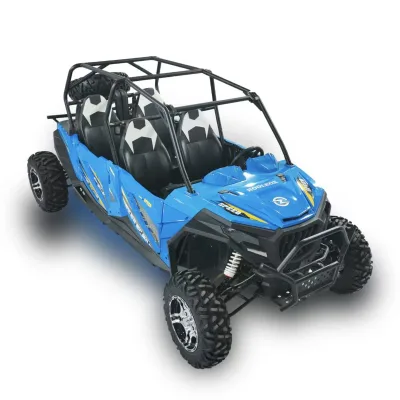
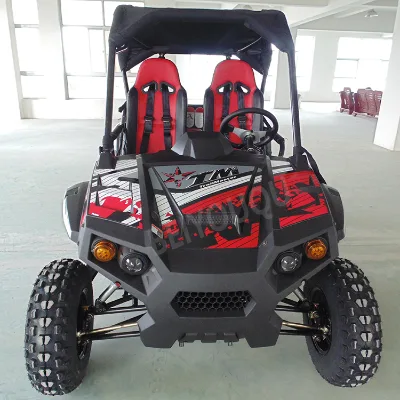
Compare 30 available units of EPA electronic fuel injection ATV and UTV models featuring chain drive, disc brakes, and various engine types. Buyers can evaluate specifications like displacement, cooling systems, and transmission options to find suitable vehicles for off-road applications.
Key considerations
Products List





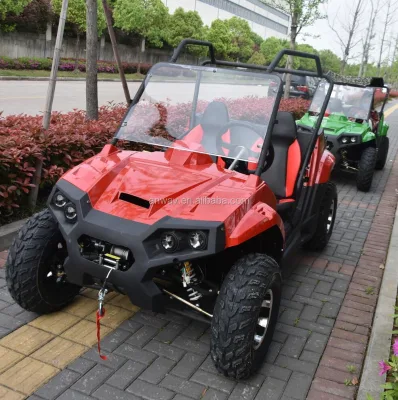
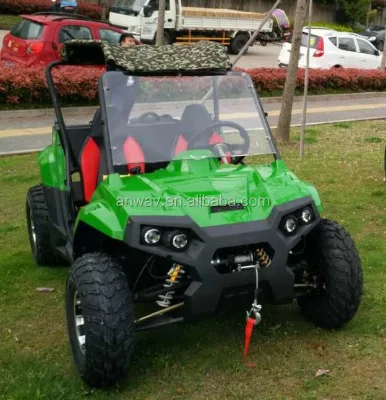
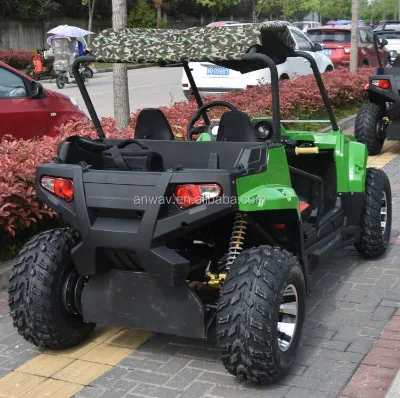
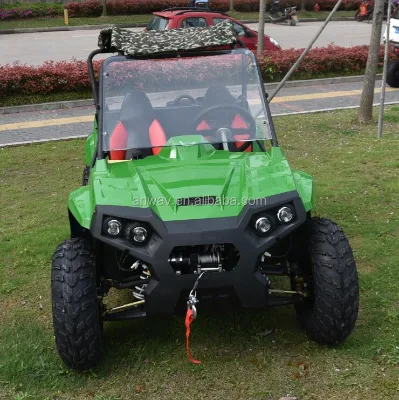
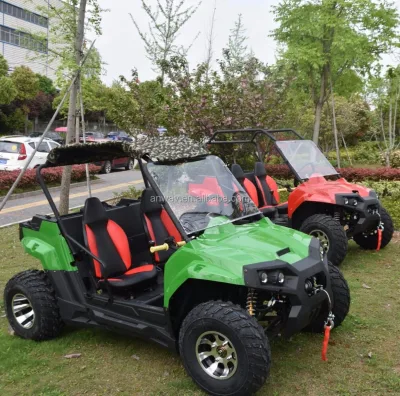


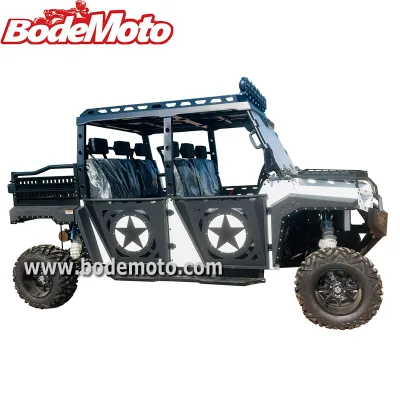
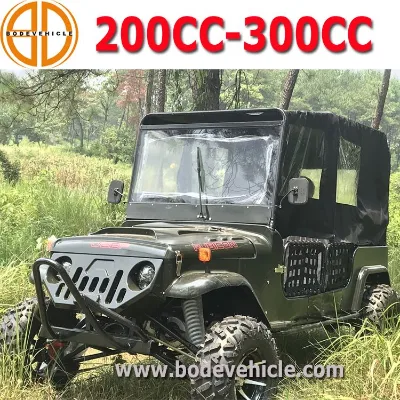
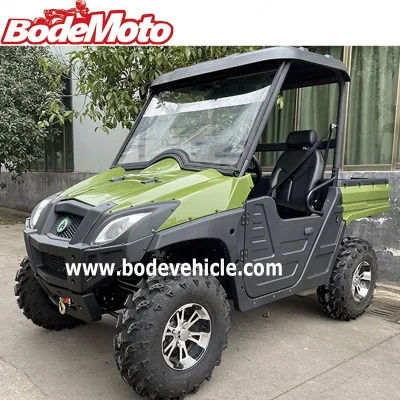


Comprehensive Sourcing Guide
Sourcing Guide for EPA-Compliant Electronic Fuel Injection ATVs and UTVs
Understanding the Technical Landscape of EFI Systems
When sourcing All-Terrain Vehicles (ATVs) and Utility Task Vehicles (UTVs) with the core focus on Electronic Fuel Injection (EFI) and Environmental Protection Agency (EPA) compliance, buyers must first distinguish these systems from traditional carbureted alternatives. The supplied product data indicates a clear divergence in fuel system technologies available in the current market. While some listed units utilize a carbureted fuel system, the specific requirement for EFI points toward models that employ advanced engine management to optimize the air-fuel mixture electronically. This technology is critical for meeting modern emission standards, as it allows for precise control over combustion efficiency and exhaust output.
The data highlights specific engine configurations relevant to this search. For instance, one observed model features a 4-Stroke Single Cylinder engine with a displacement of 149.6cc, paired explicitly with an Electronic Fuel Injection system. In contrast, other units in the same dataset rely on a Carbureted system with a 110CC displacement. The transition to EFI is not merely a feature upgrade but a fundamental shift in engine architecture that often correlates with specific cooling requirements. The provided facts show that EFI-equipped units may utilize Liquid Cooling, whereas carbureted counterparts often rely on Air-cooled systems. This distinction is vital for procurement planning, as liquid cooling systems generally offer better thermal management for high-load applications but may introduce additional complexity regarding maintenance and fluid replacement.
Furthermore, the transmission systems associated with these vehicles vary. The dataset includes units with Automatic transmission types and specific CVT (Continuously Variable Transmission) setups labeled with gear positions such as L-H-N-R-P. This suggests that EFI models are frequently paired with sophisticated automatic drivetrains designed to handle the torque characteristics of fuel-injected engines. Buyers should verify if the specific EFI unit they are sourcing includes a CVT system, as this is a common pairing for modern utility vehicles that require seamless power delivery across varying terrains. The presence of a 2WD drive system in some listings also indicates that EFI technology is available in both two-wheel and four-wheel drive configurations, though the specific drive type must be confirmed per model.
Navigating Compliance and Certification Requirements
The core keyword includes "EPA," which stands for the Environmental Protection Agency, a regulatory body in the United States that sets strict emission standards for non-road engines. Sourcing vehicles that are EPA-compliant is not optional for buyers intending to sell or operate these machines in the US market. The supplied facts explicitly list "EPA" as a certification for certain models, alongside other international standards such as CE, EEC, and T3B. This indicates that manufacturers are producing units that meet multiple regulatory frameworks simultaneously, which is a significant advantage for global procurement.
However, the presence of a certification label in a product listing does not automatically guarantee that every unit of that model is compliant. Buyers must treat certifications as observations of specific listings rather than universal guarantees for all inventory. The data shows a mix of certifications, including CE for European markets and EPA for the US. A single model number, such as MC-141, is associated with a broad certification suite including CE, EEC, EPA, and T3B. This suggests that the manufacturer may offer different compliance packages for different export regions. Procurement teams must verify that the specific batch of units being ordered carries the valid EPA documentation required for the destination country.
It is also important to note the relationship between engine type and certification. The dataset lists "4 Stroke" engines as a standard attribute, which is a prerequisite for most modern emission standards. Two-stroke engines are increasingly restricted in many jurisdictions due to higher hydrocarbon emissions. The observed models with EPA certification are all 4-stroke, reinforcing the link between engine architecture and regulatory compliance. Buyers should request the official EPA compliance certificate or the Certificate of Conformity (COC) from the supplier before finalizing any purchase. This document serves as the legal proof that the engine meets the specific emission limits set by the EPA for the relevant model year.
Analyzing Cost Drivers and Pricing Structures
The financial aspect of sourcing EFI ATVs and UTVs is influenced by several variables, including engine technology, cooling systems, and certification status. The observed price range in the dataset spans from $335 to $11,000 USD. This wide variance reflects the diversity of the product line, ranging from smaller, simpler utility vehicles to larger, more complex machines with advanced features. The lower end of the spectrum likely corresponds to units with smaller displacements (e.g., 110CC) and carbureted systems, while the higher end likely encompasses EFI models with larger displacements (e.g., 149.6cc or higher), liquid cooling, and comprehensive certification packages.
The cost premium for Electronic Fuel Injection is driven by the additional hardware required, such as fuel injectors, electronic control units (ECUs), and sensors, as well as the more complex manufacturing processes involved. Additionally, the inclusion of EPA certification adds a layer of compliance cost that is often passed on to the buyer. The dataset also highlights specific packaging details, such as "steel frame with strong carton" and single package sizes reaching 150x120x110 cm. These logistical factors contribute to the overall landed cost, as larger and heavier units incur higher shipping and handling fees.
Minimum Order Quantities (MOQ) also play a role in cost management. The observed MOQ range is between 1 and 30 units. This flexibility allows buyers to test the market with small orders or commit to larger volumes for better unit pricing. However, the supply ability of manufacturers, noted as 2000 pieces per month in the data, suggests that while they can handle large orders, lead times may vary depending on the specific configuration and certification requirements. Buyers should anticipate that customizing the fuel system or cooling type may impact the lead time and unit cost.
Typical Applications and Performance Specifications
The application of EFI ATVs and UTVs is broad, spanning recreational, agricultural, and industrial sectors. The performance specifications provided in the data offer insight into the capabilities of these vehicles. For example, one model features a maximum speed of 60 km/h, while another is rated above 75 km/h. These speed differences are often correlated with engine displacement and power output. The dataset lists power ratings ranging from 800-1000W to 1000W and above, indicating that EFI models are available in both low-power utility configurations and high-performance recreational setups.
The physical dimensions of the vehicles are also critical for determining their suitability for specific applications. The standard sizes observed range from 1165x725x765 mm to 1500x1000x980 mm. Larger dimensions generally imply a larger cargo bed or passenger capacity, making them suitable for utility work. The wheelbase of 66.93 inches (1700 mm) provides a stable platform for off-road navigation, while the tire specifications, such as 19x7-8 for the front and 20x10-10 for the rear, suggest a design optimized for traction on uneven terrain.
Braking systems are another key performance factor. The data specifies "Disc Brake" as a standard feature for the listed models. Disc brakes offer superior stopping power and heat dissipation compared to drum brakes, which is essential for heavy-duty utility work or high-speed recreational riding. The inclusion of an electric starter and a 4-stroke engine ensures reliable operation in various conditions, while the cooling system (air or liquid) determines the vehicle's endurance during prolonged use. Buyers should match these specifications to their intended use case, ensuring that the vehicle's speed, power, and braking capabilities align with the demands of the terrain and workload.
Supplier Evaluation and Quality Control Protocols
Evaluating suppliers for EFI and EPA-compliant vehicles requires a rigorous approach to quality control and verification. The data indicates that the products originate from China, with specific mentions of Zhejiang as a place of origin and Ningbo as the port of dispatch. While this provides logistical clarity, it does not guarantee quality. Buyers must assess the supplier's ability to maintain consistent manufacturing standards, particularly regarding the EFI system and emission controls.
Quality control should begin with a review of the supplier's certification history. The presence of EPA, CE, and EEC certifications in the product data is a positive indicator, but buyers should verify the validity of these certificates for the specific model year and batch. It is also essential to inspect the physical attributes of the product, such as the "Without Door" structure and the "Carton" packaging, to ensure they match the specifications required for the buyer's market. The "New" condition of the products listed suggests that the supply chain is focused on fresh inventory, but buyers should still request pre-shipment inspection reports to confirm that the EFI systems are functioning correctly and that the engines meet the stated displacement and power ratings.
The supply ability of 2000 pieces per month indicates a capable manufacturing base, but buyers should confirm the supplier's capacity to handle custom orders or specific compliance requirements. The availability of customization is noted in the data, which can be a valuable asset for buyers looking to tailor vehicles to specific needs. However, customization must be managed carefully to ensure that it does not compromise the EPA compliance or the structural integrity of the vehicle.
Long-Term Procurement and Maintenance Considerations
Procuring EFI ATVs and UTVs involves long-term considerations regarding maintenance, parts availability, and operational costs. The electronic nature of the fuel injection system means that repairs and diagnostics may require specialized tools and technical expertise that differ from traditional carbureted engines. Buyers should ensure that their local service teams are trained to handle EFI systems or that the supplier provides adequate technical support and training materials.
The cooling system is another long-term factor. Liquid-cooled engines, as seen in some EFI models, generally require more maintenance than air-cooled systems, including regular coolant checks and radiator cleaning. However, they offer better performance in high-load scenarios. Buyers should weigh the maintenance requirements against the operational benefits when selecting a model.
Finally, the lifecycle of the vehicle is influenced by the durability of its components. The use of steel frames and strong carton packaging suggests a focus on durability during transit, but the long-term durability of the engine and transmission systems depends on the quality of the manufacturing. Buyers should establish a relationship with the supplier for ongoing support, including the availability of spare parts for the EFI system, transmission components, and braking systems. This ensures that the vehicles remain operational and compliant throughout their intended service life, protecting the buyer's investment and maintaining the reputation of their business.
FAQs
Can I find EPA compliant EFI ATVs with liquid cooling?
Yes, EFI models with EPA certification are available with liquid cooling systems. The data shows specific units featuring electronic fuel injection paired with liquid cooling, which differs from the air-cooled carbureted alternatives found in other listings.
What is the typical displacement for EFI ATV engines?
The observed displacement for EFI-equipped units is 149.6cc. This is distinct from the 110cc displacement found in carbureted models, indicating a specific engine architecture designed for electronic fuel injection systems.
Which transmission types are paired with EFI ATVs?
EFI models often feature Automatic transmission types with CVT setups including L-H-N-R-P gear positions. This configuration supports the torque characteristics of fuel-injected engines for seamless power delivery across varying terrains.
How does the price range vary for EFI versus carbureted models?
Prices range from 335 to 11000 USD, with EFI models typically at the higher end due to advanced hardware. The cost premium reflects the electronic control units and sensors required for EPA compliance compared to simpler carbureted systems.
What certifications are available for EFI ATV manufacturers?
Suppliers offer a mix of certifications including EPA, CE, EEC, and T3B for specific models. Buyers must verify that the specific batch carries valid EPA documentation for the destination country rather than assuming universal compliance.
Can I customize EFI ATVs for specific requirements?
Customization is available for EFI models to tailor them to specific needs. However, buyers must ensure that any customization does not compromise the EPA compliance or the structural integrity of the vehicle during the modification process.